You can pour money into branding, redesign your logo, run promotions, and still watch customers disappear after one visit.
I’ve seen this pattern repeatedly across service businesses—from cafés and clinics to hosting support desks and digital product teams. Marketing attracts attention once. Skill earns trust repeatedly.
The uncomfortable truth? Customers don’t return because you look impressive.
They return because you feel dependable.
This article breaks down—scientifically and practically—how hands-on skill becomes the invisible engine behind loyalty, trust, and long-term customer retention.
Contents
Why Do Customers Trust Consistency More Than Creativity?
Imagine visiting a café where the coffee tastes amazing one day, average the next, and burnt the third time. You stop going. Not because the place is bad—but because it’s unpredictable.
Customers crave predictable quality, not occasional excellence.
According to the SERVQUAL service quality model (Parasuraman et al.), reliability is the strongest dimension affecting customer satisfaction. When outcomes are consistent, cognitive effort drops. The brain relaxes and forms habit-based trust.
Authoritative reference: (PDF) Service journey quality: conceptualization, measurement and customer outcomes
Story Insight
A small restaurant I once observed doubled repeat visits without changing menu or price. The only change? Standardized preparation routines trained through daily hands-on drills. Taste stopped fluctuating. Trust skyrocketed.
Consistency is not luck. It is the product of practiced execution. When a service feels the same every time, the brain relaxes.
How Do Practical Skills Reduce Customer Friction?
Hands-on learning builds this smoothness because the worker understands the process physically rather than intellectually. Customers rarely analyze technical excellence. They remember how smooth the experience felt.
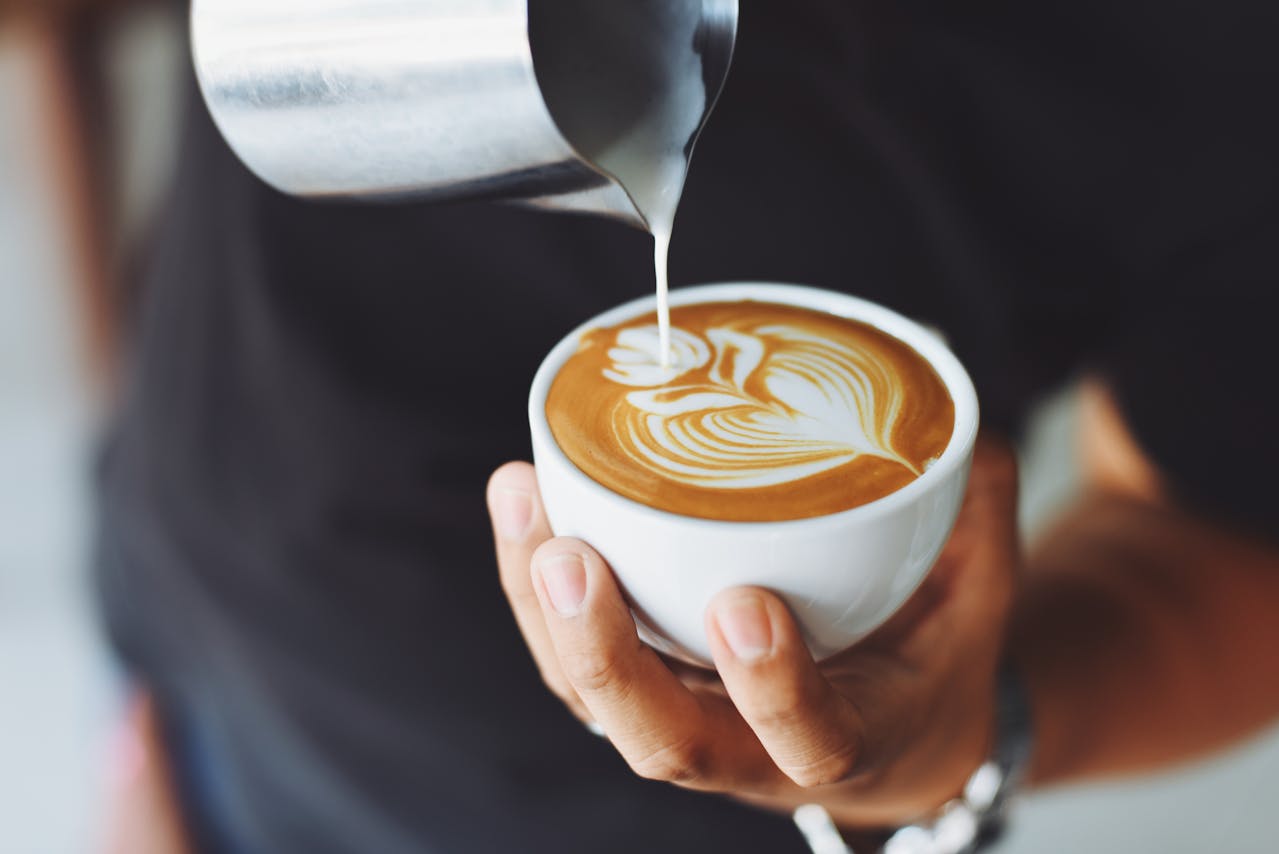
When employees rely only on theoretical instructions, they hesitate. That hesitation causes micro-delays, awkward pauses, and unclear communication. Each small friction moment silently damages perceived competence.
Hands-on repetition removes this friction.
What Skilled Workers Do Instinctively
- Anticipate next customer need
- Prevent small process delays
- Communicate with calm clarity
- Maintain workflow even during rush hours
This aligns with cognitive load theory—when a task becomes automated through practice, mental bandwidth frees up for interpersonal interaction.
Authoritative reference: https://www.sciencedirect.com/topics/psychology/cognitive-load-theory
Does Confidence Influence Customer Loyalty Before Product Quality?
Yes. Confidence communicates competence even before delivery. For example, a structured barista training in the south east from Ringtons focuses on realistic equipment and workflow practice so staff can consistently produce quality results and serve customers with assurance.
Customers subconsciously read:
- Body language
- Tone stability
- Task fluidity
- Eye-contact certainty
A confident professional signals: “You’re in safe hands.”
Research in behavioral psychology shows that perceived competence increases trust even prior to evaluation (Fiske, Cuddy & Glick competence-warmth model).
Authoritative reference: https://journals.sagepub.com/doi/10.1177/0146167201272002
Real-Life Example
A barista trained through hands-on workflow simulations serves calmly even during peak hours. Another who memorized theory struggles when machines behave unpredictably. The customer senses the difference instantly.
Confidence is not personality—it is repeated physical familiarity with the task.
Why Do Skilled Teams Handle Problems Better Than Perfect Systems?
No service environment is ever perfectly controlled. Machines fail. Customers make unusual requests. Supply issues arise.
This is where adaptability, built through real experience, becomes the ultimate loyalty driver.
Interestingly, research on the Service Recovery Paradox shows that customers who witness a problem resolved smoothly often become more loyal than those who never experienced a problem.
Story Scenario
A customer sees a staff member calmly fix a payment glitch without panic. The issue is minor—but the recovery proves reliability under pressure. That single moment builds more trust than ten flawless transactions.
Skill doesn’t eliminate problems. It ensures problems never look chaotic.
How Does Technical Mastery Improve Human Warmth?
Here’s a paradox: friendliness improves when technical competence improves.
When workers struggle technically, they focus narrowly on task completion. Conversation becomes rushed, mechanical, and tense. But once tasks become second nature, attention shifts to the human interaction.
This aligns with dual-processing theory: automated tasks (System 1) allow conscious social engagement (System 2).
Authoritative reference: (PDF) Dual-Process Theories of Higher Cognition
What Customers Interpret as “Care”
- Remembering preferences
- Natural conversation pacing
- Relaxed eye contact
- Calm tone during busy periods
Customers label this warmth as emotional care—yet it originates from technical mastery.
How Do Repeated Skilled Experiences Form Emotional Memory?
Customers don’t just buy products. They revisit predictable emotional moments.
Behavioral economics explains this through the habit loop: cue → routine → reward (Charles Duhigg). Reliable service becomes the “routine” that reduces decision fatigue, making repeat visits automatic.
Authoritative reference: https://www.routinery.app/blog/habit-loop-explained
When customers say, “It’s always good there,” they are expressing emotional memory formed by repeated consistent experiences.
Consistency is not operational efficiency. It is psychological comfort engineering.
Does Skill Quietly Become the Strongest Marketing Strategy?

Marketing campaigns create awareness. Skill creates reputation.
Word-of-mouth recommendations differ based on experience type:
- Novelty → “It was interesting”
- Reliability → “It’s always good”
The second type spreads faster because it promises safety, not surprise.
According to Nielsen’s trust research, 92% of consumers trust recommendations from people they know more than advertisements.
Authoritative reference: https://www.nielsen.com/insights/2015/global-trust-in-advertising-2015/
Hands-on expertise silently converts customers into promoters.
What Practical Skills Actually Drive Repeat Customers?
| Skill Dimension | Customer Perception | Loyalty Impact |
|---|---|---|
| Consistency | “They always deliver the same quality” | Builds trust |
| Workflow Fluidity | “Service feels smooth and effortless” | Reduces friction |
| Confident Execution | “They know what they’re doing” | Signals competence |
| Calm Problem Solving | “They handle issues professionally” | Increases trust |
| Technical Mastery | “They remember and personalize” | Builds emotional connection |
Expert Checklist: Are Your Hands-On Skills Loyalty-Ready?
Operational Skill Checklist
- Staff trained through real-world simulations, not theory alone
- Standardized workflows practiced repeatedly
- Teams trained for unexpected scenarios and recovery
Experience Quality Checklist
- Customers experience consistent results across visits
- Interaction feels calm even during peak demand
- Staff anticipate needs rather than react late
Adaptability Checklist
- Employees understand root causes, not just procedures
- Problems solved confidently in front of customers
- Service flow remains stable under pressure
If any box is unchecked, loyalty will fluctuate—no matter how strong marketing appears.
Frequently Asked Questions (FAQ)
Do customers really notice hands-on skill?
Yes. Customers may not verbalize technical differences, but they instantly feel smoothness, confidence, and reliability in the experience.
Is training more important than branding for loyalty?
Branding attracts first-time visits. Hands-on skill determines whether customers return consistently.
Can friendly staff compensate for low technical skill?
Only temporarily. Over time, inconsistency erodes trust even if friendliness remains high.
How long does skill-based loyalty take to develop?
Typically 3–6 repeat interactions. Habit formation occurs once customers consistently experience predictable outcomes.
What industries benefit most from hands-on skill?
All service-based sectors: healthcare, hospitality, retail, technical support, and education delivery.
The Final Truth: Why Skill Is the Ultimate Loyalty Engine
Marketing can persuade a customer to try you once. Only dependable experience convinces them to return without hesitation.
Hands-on ability:
- Creates predictable outcomes
- Reduces mental effort for customers
- Signals competence before evaluation
- Enables calm recovery during problems
- Frees attention for authentic human interaction
When these factors combine, customers stop comparing alternatives. Your service becomes part of their routine rather than a decision to reconsider.
And that is the real definition of loyalty:
Not excitement. Not promotions.
But quiet, repeatable trust built through practiced skill.
