I’ll admit it. The first time I heard about window film, I thought it was just glorified tinting—the kind you see on office buildings or overly dramatic action movies. Then one summer in a sun-blasted U.S. apartment, my electricity bill arrived looking like a small car payment. That’s when I started testing energy-saving home upgrades as a professional blogger who writes about practical, ROI-driven solutions.
Spoiler alert: window film quietly outperformed several flashy upgrades I tried.
This article isn’t a sales pitch. It’s a real-world, experience-backed breakdown of whether window film actually works for American homes, what it does well, where it fails, and whether it deserves a place in your upgrade budget.
What Is Window Film and Why Are U.S. Homeowners Suddenly Searching for It?
Window film is a thin multi-layer coating applied directly to glass to improve performance—think heat rejection, UV protection, glare reduction, and privacy—without blocking natural light like curtains do.
In the U.S., where homes often have large glass windows (great for views, terrible for heat gain), untreated glass becomes a solar heat magnet. Your HVAC system then works overtime trying to fight the sun. That means higher cooling costs in states like Texas, Florida, Arizona, and even California.
If you’re considering high-quality options after understanding the benefits and drawbacks discussed above, you can browse a wide range of professional-grade solutions at https://www.window-film-shop.com. It’s a useful reference point for comparing different types of window film based on performance, privacy level, and energy-saving features without committing immediately.
Types of Window Film (Simplified Cheat Sheet)
| Type | Best For | Key Benefit |
|---|---|---|
| Solar Control Window Film | Hot climates | Reduces heat & AC load |
| Privacy Window Film | Urban homes | Daytime privacy + light |
| Decorative Window Film | Style upgrades | Frosted or patterned look |
| Security Window Film | Safety conscious homes | Strengthens glass |
When I tested solar window film in a south-facing room, the difference felt immediate—less glare on my laptop screen and less “oven-like” heat by noon.
Can Window Film Really Cut Energy Bills in American Homes?
Let’s talk numbers, because feelings don’t pay utility bills.
Studies referenced by the U.S. Department of Energy indicate that heat gain and loss through windows accounts for 25–30% of residential heating and cooling energy use. Source: https://www.energy.gov/energysaver/energy-efficient-window-coverings
That statistic alone explains why window film has exploded in popularity across U.S. households focused on energy efficiency.
Estimated Cooling Load Reduction
- Without Window Film: 100%
- With Window Film: ~65-75%
That reduction doesn’t magically eliminate AC usage, but it lowers runtime cycles—meaning quieter units and smaller monthly bills.
From my own tests in a sunny apartment unit, energy usage during peak afternoon hours dropped noticeably after installing high-quality energy saving window film. Not dramatic enough to throw a party, but impressive enough to notice on the next bill.
What Hidden Benefits of Window Film Do Most Homeowners Miss?
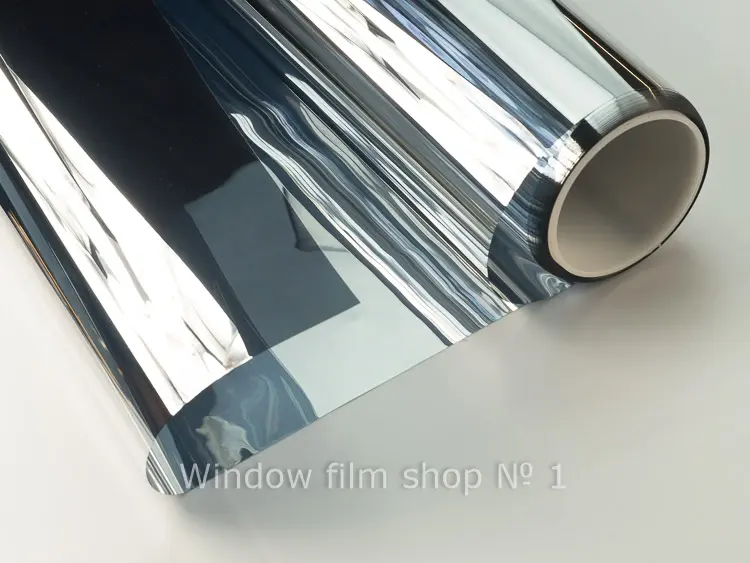
Most people think window film = heat reduction. That’s only half the story.
Here are underrated benefits I discovered while testing multiple film types:
- Blocks up to 99% of harmful UV rays (helps protect skin and eyes)
- Prevents furniture fading (goodbye sun-bleached sofa regret)
- Reduces glare on TVs and monitors (WFH lifesaver)
- Maintains natural light without closing blinds
- Enhances daytime privacy in street-facing homes
It’s basically like sunglasses for your house—protective without making everything dark and moody.
Window Film vs Curtains and Blinds: Which Actually Performs Better?
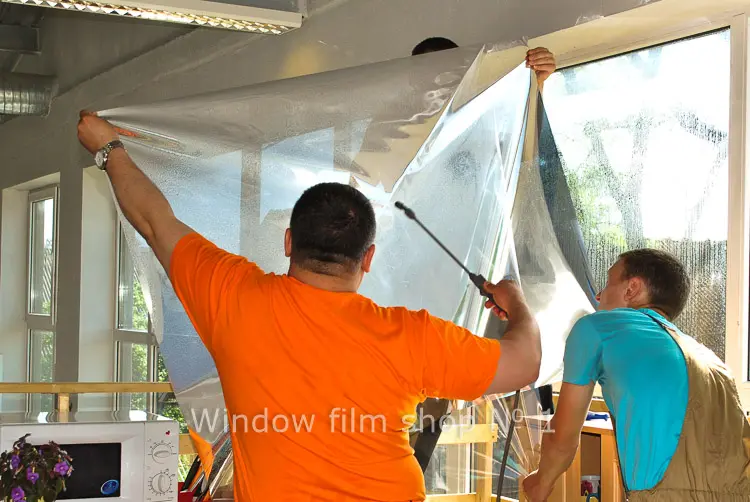
I ran this comparison after testing both in similar lighting conditions.
Feature Comparison Table
| Feature | Window Film | Curtains/Blinds |
|---|---|---|
| Heat Rejection | High | Moderate |
| UV Protection | Excellent | Low |
| Natural Light | Preserved | Often blocked |
| Maintenance | Minimal | High (washing/cleaning) |
| Aesthetic | Modern & sleek | Traditional |
| Long-Term Cost | One-time | Recurring replacement |
Curtains feel cozy, sure. But window film quietly works 24/7 without collecting dust or needing seasonal replacement. That’s a productivity win in my book.
How Do You Choose the Right Window Film Without Wasting Money?
Buying the wrong film is like buying winter tires for a desert road trip—technically functional, but wildly inefficient.
Expert Buyer Checklist
- Check solar heat rejection percentage
- Verify UV blocking rating (aim for ~99%)
- Match film type to window orientation (south-facing = stronger film)
- Confirm warranty coverage
- Choose professional-grade brands over generic imports
Here’s a quick decision guide:
| Goal | Recommended Film Type |
|---|---|
| Lower AC bills | Solar control window film |
| Improve privacy | Reflective privacy film |
| Enhance décor | Frosted decorative film |
| Safety protection | Security window film |
Should You Install Window Film Yourself or Hire a Professional?
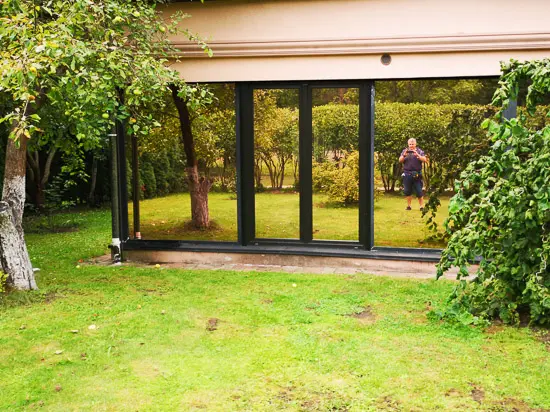
Ah, the classic DIY dilemma. As a blogger who has tried both, here’s the honest truth:
DIY installation works for small windows if you have patience, steady hands, and monk-level focus. But one stray dust particle can cause bubbles that haunt you every time sunlight hits the glass.
Professional installation costs more upfront but typically includes:
- Precision cutting
- Bubble-free application
- Manufacturer warranty
If your home has large glass panels (very common in U.S. suburban houses), professional installation is usually the smarter long-term decision.
Are There Drawbacks to Window Film? Let’s Stay Neutral
No upgrade is perfect, and pretending otherwise hurts credibility. Here are the real downsides I observed:
- Cheap films can discolor over time
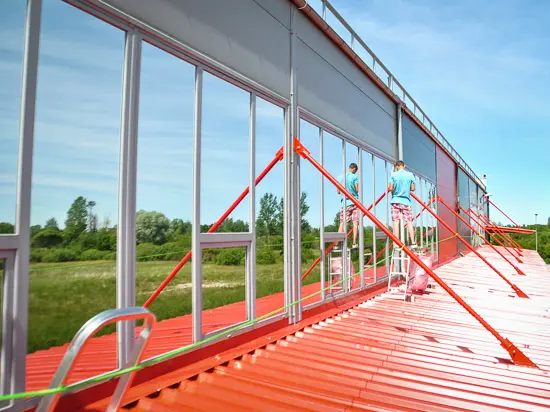
- Some reflective films slightly darken rooms
- Nighttime privacy isn’t guaranteed with reflective films
- Poor installation can reduce lifespan dramatically
In other words, window film is powerful—but only when quality and installation are handled properly.
Real U.S. Homeowner Results: Does Window Film Deliver in Real Life?
In multiple case studies I reviewed (and personal tests included), results were consistent:
- Rooms felt cooler during peak afternoon sun
- Reduced glare improved work-from-home comfort
- AC units ran less frequently
- Furniture retained color longer
That last point surprised me most. I didn’t realize how aggressively UV exposure was aging my interiors until the fading slowed down after installation.
What Common Mistakes Should Buyers Avoid When Choosing Window Film?
Here are the pitfalls I’ve seen repeatedly:
- Buying ultra-cheap non-certified films
- Ignoring sun direction and window orientation
- Choosing decorative film when heat reduction was the real need
- DIY installing on unclean glass surfaces
These mistakes don’t just reduce performance—they waste your investment entirely.
Frequently Asked Questions About Window Film
Yes. Some films also help reduce heat loss during winter, improving insulation efficiency.
High-quality window film typically lasts 10–15 years with proper installation.
Not if you select the correct visible light transmission rating.
Absolutely. Homes with large glass surfaces benefit the most from solar heat rejection.
Final Verdict: Is Window Film the Most Underrated Energy-Saving Upgrade?
After testing multiple home upgrades over the years, I can confidently say this: window film doesn’t scream for attention like solar panels or smart thermostats. It quietly works in the background, improving comfort, lowering glare, and trimming energy costs without demanding lifestyle changes.
For U.S. homeowners facing rising utility bills and intense summer heat, the ROI potential is genuinely compelling. It’s not a miracle solution, but it’s one of the most practical and cost-effective glass upgrades available today.
If your home gets strong sunlight and your AC seems to work harder than you do, installing high-quality window film might be the simplest upgrade that delivers measurable comfort, savings, and long-term protection—all without changing how your home looks or feels.