Home remodeling always sounds exciting.
New kitchen. Fresh paint. Maybe finally fixing that bathroom door that never quite shuts right. You scroll Pinterest, watch a few YouTube videos, and suddenly you’re convinced this is going to be fun.
Then reality shows up.
Dust everywhere. Budgets exploding. Decisions you didn’t even know were decisions. And that sinking feeling halfway through the project where you think, “Wow… I really should’ve thought this through.”
If I had a dollar for every homeowner who said that mid-remodel, I’d probably have my own renovation fund by now.
Let’s talk about the most common remodeling mistakes people make — not in a judgmental way, but in a “learn from other people’s pain” way.
Contents
Why Do Remodeling Projects Go Over Budget So Often?
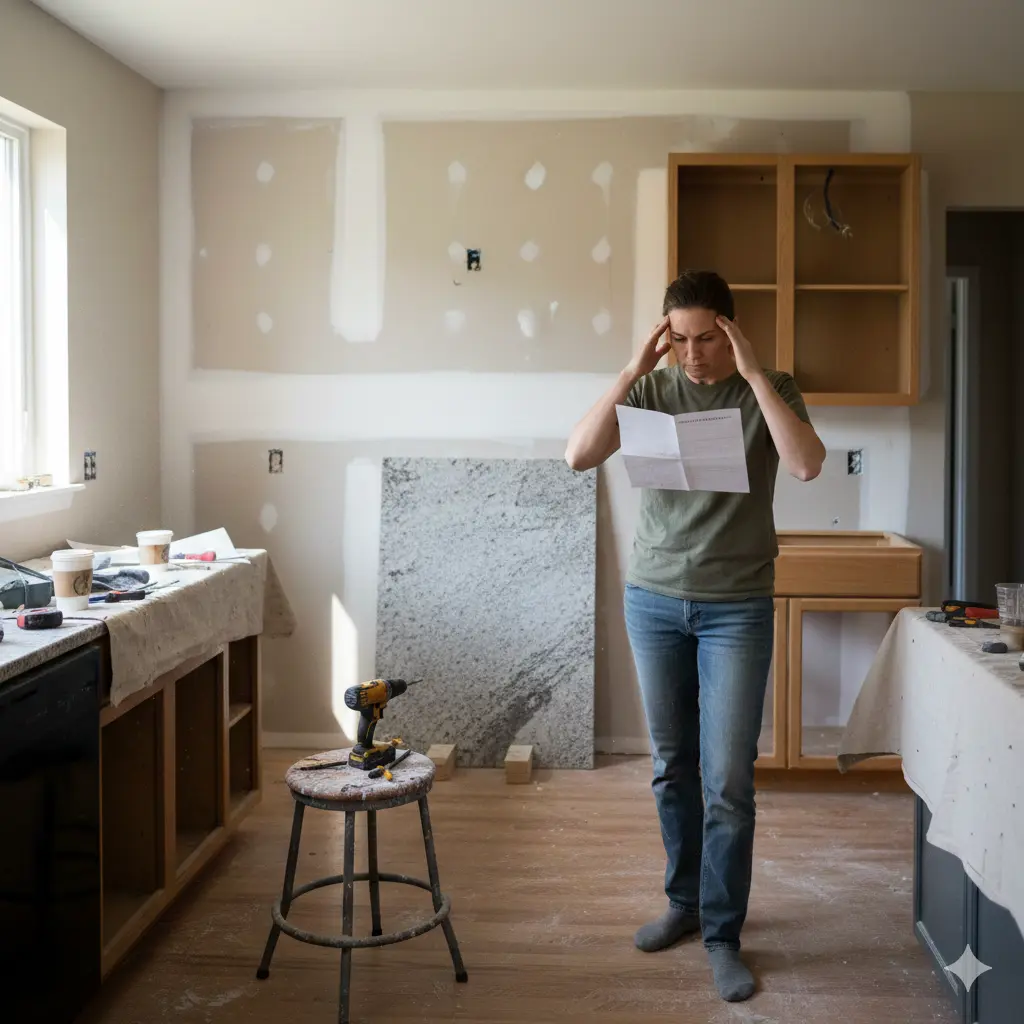
Short answer: because the original budget is usually a fantasy.
Most homeowners budget for what they can see. Cabinets. Tiles. Fixtures. Paint.
What they don’t budget for is what’s hiding behind the walls.
Old wiring. Rotten subfloors. Plumbing that hasn’t been touched since the 80s.
And once demolition starts, there’s no un-seeing that stuff.
What actually causes budget blowouts?
- Hidden structural or plumbing issues
- Design changes mid-project (“Actually… let’s move that wall”)
- Underestimating labor costs
- No contingency buffer at all
Industry recommendation: set aside 10–20% of your total budget as a contingency.
That’s not pessimism. That’s realism.
Reference:
National Association of Home Builders (NAHB) – Remodeling cost guidance
https://www.nahb.org
What Happens When You Choose Materials Based on Price Alone?
This one hurts — because it feels smart at the time. Homeowners pursuing home remodeling in San Diego often prioritize materials that can withstand coastal conditions, humidity, and heavy use.
You see two options:
- Tile A: looks fine, cheap
- Tile B: better quality, costs more
And your brain goes, “No one will notice.”
Except… you’ll notice. Six months later. When it chips. Or stains. Or warps.
Cheap materials usually fail in three ways:
- They wear out faster
- They cost more to maintain
- They age badly
Especially in high-use areas like:
- Kitchens
- Bathrooms
- Flooring
- Cabinets
If you’re in climates like coastal or humid areas (San Diego is a classic example), cheap materials can deteriorate even faster due to moisture and salt exposure.
Reference:
Consumer Reports – Building materials durability
https://www.consumerreports.org
Material Cost vs Longevity (Quick Comparison)
| Area | Cheap Option Risk | Mid-Range Sweet Spot | Worth Paying Premium |
|---|---|---|---|
| Flooring | Warping, scratches | Engineered wood, LVP | Solid hardwood |
| Cabinets | Sagging, peeling | Plywood boxes | Custom hardwood |
| Fixtures | Leaks, corrosion | Brass internals | Designer-grade |
| Countertops | Staining | Quartz | Natural stone |
Why Is Poor Planning the Silent Remodeling Killer?
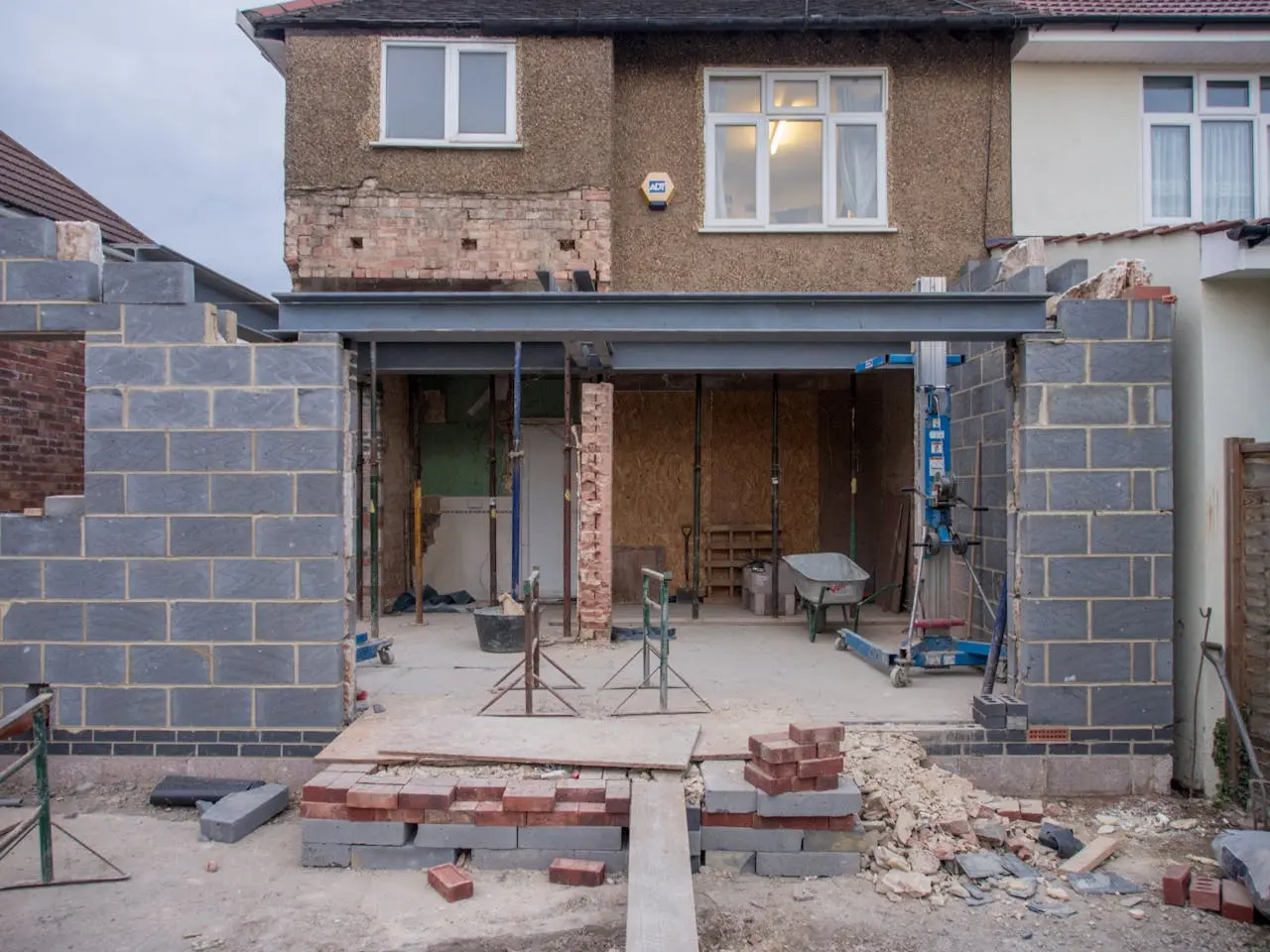
Because once the project starts, every change costs money.
A lot of it.
I’ve seen homeowners order materials before finalizing layouts. Or start demolition while still “thinking” about lighting. That’s not flexibility — that’s expensive chaos.
What proper planning actually includes:
- Finalized layout (every outlet, every switch)
- Confirmed material selections
- Accurate measurements
- Lead times for deliveries
- Contractor schedules that actually align
If you’re working with a designer or contractor, this is where their experience earns its keep. They’ve already made these mistakes — so you don’t have to.
When Does DIY Remodeling Cross the Line Into a Bad Idea?
DIY gets romanticized a lot.
And look — painting a wall? Sure. Installing shelves? Go for it.
But once you’re touching:
- Electrical systems
- Plumbing lines
- Load-bearing structures
You’re not saving money. You’re gambling.
Tasks that should almost always be professional:
- Electrical wiring
- Plumbing rerouting
- Structural changes
- Waterproofing systems
- Gas connections
Most local building authorities require permits for these anyway.
Reference: https://www.huduser.gov/portal/home.html
DIY vs Professional Work (Reality Check)
| Task | DIY Friendly? | Risk Level |
|---|---|---|
| Painting | Yes | Low |
| Tile backsplash | Maybe | Medium |
| Electrical wiring | No | High |
| Plumbing relocation | No | High |
| Structural changes | Never | Extreme |
Why Do Beautiful Remodels Sometimes Feel Awful to Live In?
Because aesthetics won — and function lost.
It happens more than people admit.
A kitchen that looks stunning… but has no prep space.
A bathroom that feels luxurious… but has nowhere to store towels.
An open layout that photographs well… but echoes like a gymnasium.
Questions you should ask before finalizing design:
- How do I actually use this space daily?
- Where do things get stored?
- Is lighting practical or just decorative?
- Does traffic flow make sense?
Form without function gets old fast. Function without form is dull. The balance matters.
Expert Remodeling Checklist (Save This)
Before you start any remodel, run through this:
Planning & Budget
- Detailed scope defined
- 10–20% contingency added
- Permits identified
Design
- Layout finalized
- Lighting plan completed
- Storage planned
Materials
- Durability researched
- Climate suitability checked
- Maintenance considered
Contractors
- Licensed and insured
- Written contract signed
- Payment milestones defined
Frequently Asked Questions
What is the biggest remodeling mistake homeowners make?
Underestimating costs and starting without a contingency budget.
Is DIY remodeling really cheaper?
Only for cosmetic tasks. Technical work often costs more to fix later.
How much extra money should I budget for a remodel?
Experts recommend 10–20% beyond your initial estimate.
Should I prioritize design or function?
Both — but function should always come first.
Final Thoughts: Remodeling Is Less About Style, More About Decisions
Here’s the honest truth.
Most remodeling regrets don’t come from bad taste.
They come from rushed decisions, skipped planning, and false savings.
Take your time. Ask uncomfortable questions. Budget for the unknown. And don’t assume you’ll “figure it out later.”
Because later is always more expensive.
If you approach remodeling with realistic expectations, solid planning, and a bit of humility, it can actually be… enjoyable. Or at least survivable.
And that’s a win.
