What Is the Best EHR for Mental Health?
The best EHR for mental health depends on your practice model:
- Solo practitioners: Simple, fast, low-cost systems with minimal admin overhead
- Group practices: Scalable cloud platforms with billing and multi-user access
- Cost-conscious therapists: One-time purchase or self-hosted systems to avoid long-term subscription costs
👉 The key is not features — it’s control, cost over time, and workflow efficiency.
The Hidden Burnout Nobody Talks About
As a mental health professional, you’re trained to handle emotional complexity — not subscriptions, billing dashboards, and software fatigue.
Yet after sessions end, a second workload begins:
- Documentation
- Scheduling
- Billing
- Compliance
This is where financial and administrative burnout quietly builds.
And the biggest silent contributor?
👉 Your software stack.
The “Software Rent” Trap (With Real Numbers)
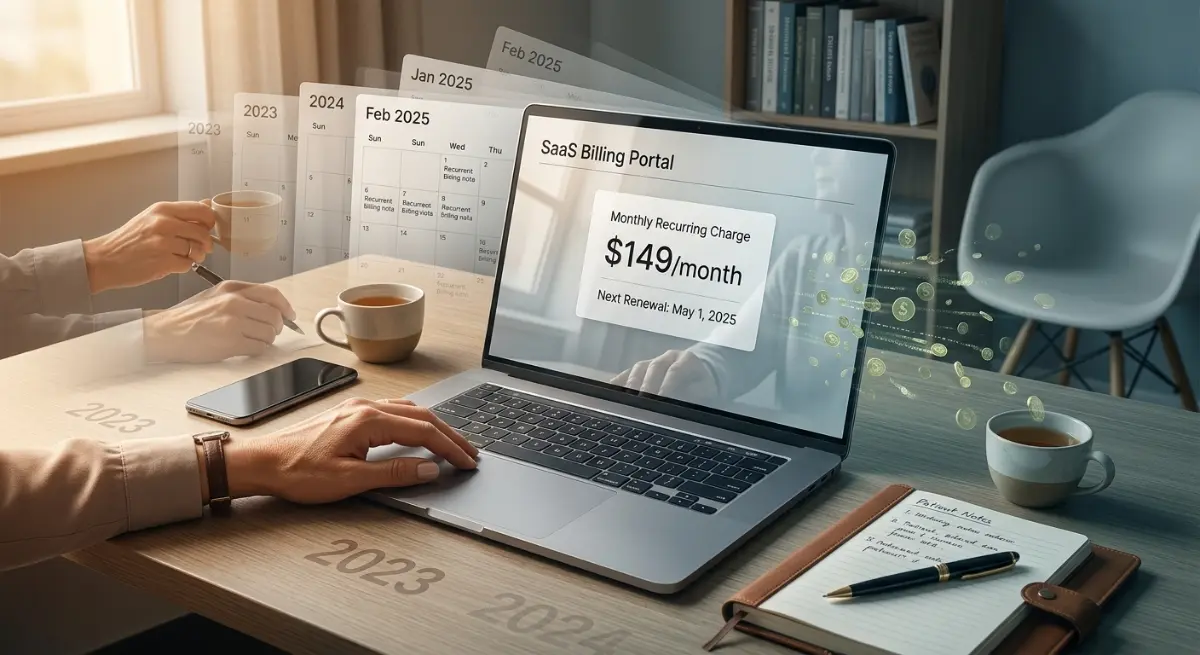
Most mental health EHR systems operate on subscriptions:
- $40/month (basic)
- $70–$100/month (standard)
- $150+/month (full features)
Now calculate long-term cost:
- $70 × 12 × 10 years = $8,400
- $100 × 12 × 15 years = $18,000
- $120 × 12 × 20 years = $28,800
👉 That’s not a tool. That’s a lifetime financial drain.
And here’s the uncomfortable truth:
You are paying continuously just to access your own clinical data.
Defining the Best EHR for Mental Health
| Platform | Pricing Model | Key Features | Best For | Limitation |
|---|---|---|---|---|
| SimplePractice | $69+/month | Telehealth, billing, notes | Beginners | Expensive long-term |
| TherapyNotes | $59+/month | Scheduling + documentation | Therapists | Limited flexibility |
| Kareo | Subscription | Billing-heavy | Clinics | Overkill for solo |
| EasyMindCare | One-time payment | Lightweight, ownership-based | Solo practitioners | Smaller ecosystem |
👉 Notice the pattern:
Most platforms optimize for recurring revenue — not your sustainability.
What Actually Matters in a Mental Health EHR
Forget enterprise-level features. For solo practice, you need:
1. Reliability
- Always accessible
- No downtime risk
- No dependency on payment cycles
2. HIPAA Compliance
- Must align with HIPAA Security Rule (45 CFR Part 160 & 164)
- Encryption, access control, audit logs
3. Speed of Documentation
- Notes should take 5–10 minutes max
- No multi-click fatigue
4. Data Ownership
- You control your records
- No lockout risk due to:
- missed payments
- account suspension
- server outages
The 10-Minute Note Rule (Protect Your Energy)
If your EHR:
- takes 20+ clicks
- forces rigid templates
- slows you down
👉 It is actively contributing to burnout.
A high-functioning system should:
- auto-fill common patterns
- minimize typing
- allow quick completion
Because every extra minute spent on notes =
👉 less mental energy for your next client
Cloud vs Ownership: The Real Trade-Off
Cloud-Based EHR (Most Popular)
Pros:
- Easy access anywhere
- Automatic updates
- No setup needed
Cons:
- Recurring cost forever
- Dependency on vendor
- Risk of lockout
Ownership-Based / One-Time Systems
Pros:
- No monthly fees
- Full data control
- Long-term cost savings
Cons:
- Requires backup discipline
- Limited integrations
- May lack advanced automation
👉 This is not about “which is better”
It’s about:
Convenience vs Control
A Practical 3-Step Framework to Choose Your EHR
Step 1: Calculate 10-Year Cost
Don’t think monthly. Think lifetime.
Step 2: Define Essential Features Only
Ask:
- Do I really need billing automation?
- Do I need telehealth inside EHR?
Cut the noise.
Step 3: Decide Your Philosophy
- Want convenience → subscription
- Want control → ownership model
A New Direction: Sustainable Practice Infrastructure
The idea behind tools like EasyMindCare comes from a simple question:
Why should therapists pay forever for basic tools?
The goal is:
- eliminate recurring financial pressure
- simplify workflows
- give full ownership of clinical data
But let’s be transparent (important for trust):
Ownership-based systems may:
- lack large ecosystem integrations
- require manual backup strategies
- not scale well for large teams
👉 And that’s okay — because they are built for solo practitioners, not hospitals.
The Bigger Picture: Your Practice Is a Business
You are not just a clinician.
You are running:
- a data system
- a financial structure
- a long-term operation
Every recurring cost:
👉 increases baseline stress
👉 reduces long-term freedom
Final Takeaway
Stop optimizing for:
- features you don’t use
- systems you don’t control
- costs that never end
Start optimizing for:
- time
- ownership
- sustainability
FAQ
The best EHR is one that is simple, fast, HIPAA-compliant, and minimizes long-term cost while supporting efficient documentation.
Yes, if HIPAA-compliant. However, it introduces dependency on vendors and subscription access.
Subscription EHRs start around $40/month, but one-time or self-hosted systems are cheaper long-term.
Ideally 5–10 minutes per session. Longer documentation time signals inefficient workflow.
Author: Dr. Md Toufiq Hassan Shawon, Medical Officer (MIS), Directorate General of Health Services (DGHS)
Experience: Over a decade of experience in digital health architecture, national health information systems, and large-scale data platforms including DHIS2, EPI, and registry systems