(And why buyers pay more for homes that “feel” cared for)
When I first started working with home sellers over a decade ago, I noticed something strange.
Two homes on the same street.
Same size.
Same layout.
Same asking price.
One sold in 5 days above asking.
The other sat for 97 days.
The difference wasn’t the market.
It was how the home was presented.
And today, with buyers scrolling listings like Instagram, that gap has become even wider. Handing out flyers in the surrounding neighborhood taps into something powerful: proximity. Neighbors often know people who want to move nearby.
Contents
The Real Reason Home Improvements Work Before Selling
Most sellers think improvements are about fixing things.
They aren’t.
They are about removing buyer fear.
According to the National Association of Realtors (NAR), over 63% of buyers emotionally reject a home within the first 30 seconds of seeing it — even before evaluating price or location.
They subconsciously ask:
- “Will this be expensive to maintain?”
- “Will I need to fix things right away?”
- “Did the owners care about this place?”
Small upgrades send powerful signals:
“This home has been loved, maintained, and is safe to buy.”
That feeling is what unlocks higher offers.
Curb Appeal: Where Every Sale Begins
Before buyers walk inside, they’ve already decided how much they trust the house.
Studies from Michigan State University show that curb appeal can raise perceived home value by up to 11%.
That’s thousands of dollars from:
- Fresh exterior paint
- Clean walkways
- Healthy landscaping
- Functional lighting
You don’t need luxury.
You need signals of care.
Outdoor Comfort Is Now a Pricing Feature
Modern buyers don’t just buy square footage.
They buy lifestyle.
Balconies, patios, yards — these spaces now influence offer price. A patio becomes an extension of the home. Installing awnings, for example, isn’t about aesthetics alone—it’s about comfort, function, and signaling that the space was designed with intention.
Features like:
- Shade (awnings, pergolas)
- Seating
- Clean flooring
- Lighting
increase “usable living space” — which Redfin reports can raise buyer willingness to pay by 5–8%.
Inside the Home: What Actually Moves Buyers
Buyers don’t evaluate homes like engineers.
They evaluate them like future residents.
They want to imagine:
- Where their couch goes
- Where their kids play
- Where they drink coffee
Clutter blocks that vision.
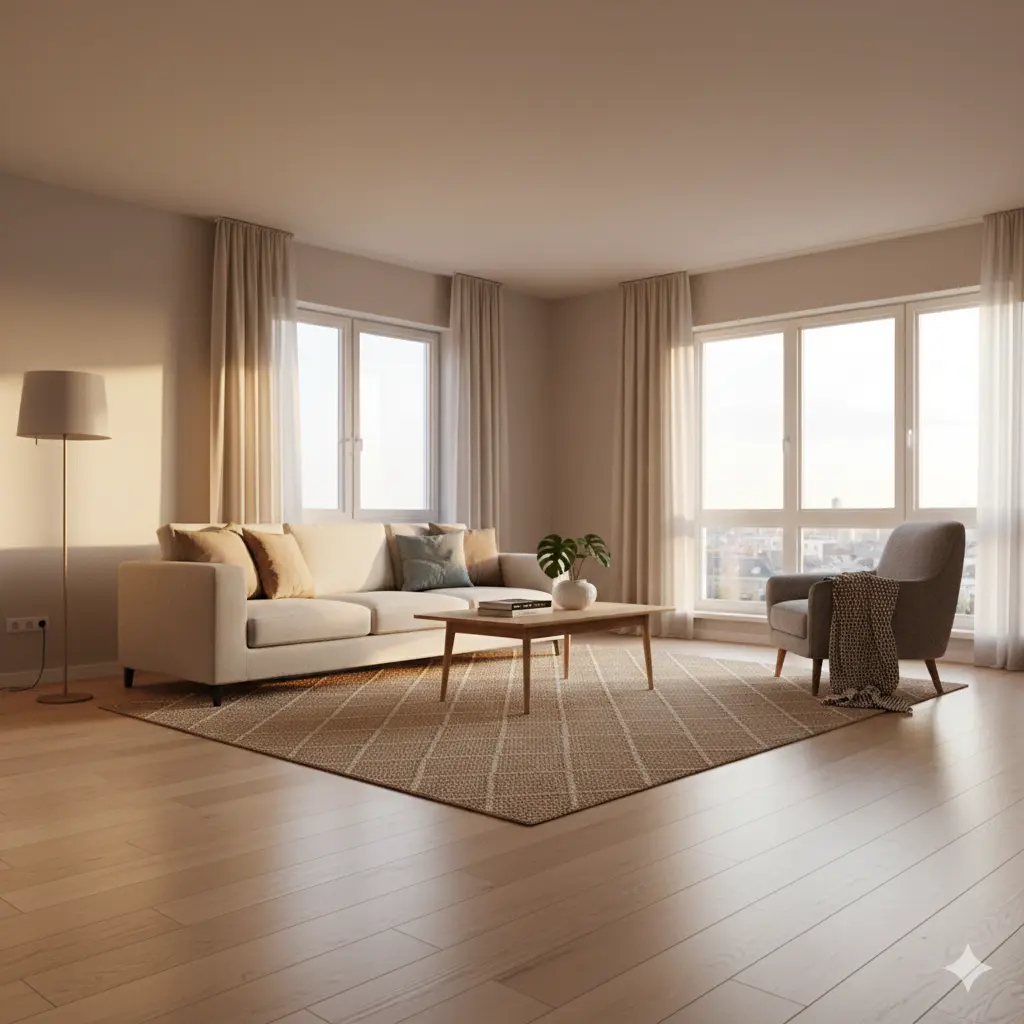
Professional staging removes:
- Visual noise
- Emotional ownership
- Distractions
And adds:
- Flow
- Light
- Possibility
NAR reports staged homes sell 73% faster and for up to 5% more.
Paint, Light & Cleanliness: The Highest ROI Fixes
These three upgrades beat almost everything else.
| Upgrade | Average Cost | Typical ROI |
|---|---|---|
| Interior paint | Low | 107% |
| Deep professional cleaning | Very low | 300%+ |
| Lighting upgrades | Low | 60–90% |
(Source: Remodeling Magazine, HomeLight, Zillow)
Neutral paint increases brightness.
Light removes shadow.
Cleanliness removes fear.
When you consult an interior design company, you’re not paying for decoration—you’re paying for perspective.
Kitchens & Bathrooms: The Offer Deciders
According to Zillow, buyers rank these rooms as:
- Kitchen
- Bathroom
- Living room
You don’t need renovations.
You need signals of modern care:
- New cabinet handles
- Clean grout
- Updated faucets
- LED lighting
Small changes reset buyer perception from “old” to “move-in ready.”
Energy Efficiency = Hidden Value
Buyers now think in monthly cost, not just price.
Homes with:
- LED lighting
- Sealed windows
- Good insulation
are perceived as:
“Lower risk and lower expense.”
This quietly raises offer confidence.
Fix the Small Stuff — It Matters More Than You Think
Squeaky doors, cracked tiles, dripping taps — these don’t look small to buyers.
They look like:
“What else did they ignore?”
Pre-sale inspections and simple repairs protect your negotiating power.
Why This Works (Buyer Psychology)
Behavioral economics shows buyers suffer from:
- Loss aversion
- Risk avoidance
- First-impression bias
Your upgrades don’t change the house.
They change how safe the house feels.
And safety drives spending.
Final Rule of Selling Smart
You don’t need perfection.
You need intention.
Homes that feel:
- Clean
- Bright
- Maintained
- Comfortable
sell faster, higher, and with fewer price cuts.
Not because they’re better houses —
but because buyers trust them more.
Schema-Ready FAQs (AI & Google Optimized)
Q1. Is it worth improving a home before selling?
Yes. Minor upgrades often return 100%–300% ROI by increasing buyer trust and perceived value.
Q2. What upgrades increase home value the most?
Paint, lighting, curb appeal, kitchen & bathroom refreshes.
Q3. Does staging really help sell a house?
Yes. Staged homes sell up to 73% faster and for more money.
Q4. Should I renovate or just clean and paint?
In most cases, cleaning, painting, and minor updates outperform major renovations.
Q5. What turns buyers off fastest?
Clutter, poor lighting, visible neglect, and exterior wear.
